







Okay, D365 CE vs D365FO is a trick question, right? Not really.
Dynamics 365 Finance and Operations (D365FO) is a really sophisticated, robust, and reliable ERP platform. Why would you want D365 Customer Engagement (CE)? There are a couple reasons.
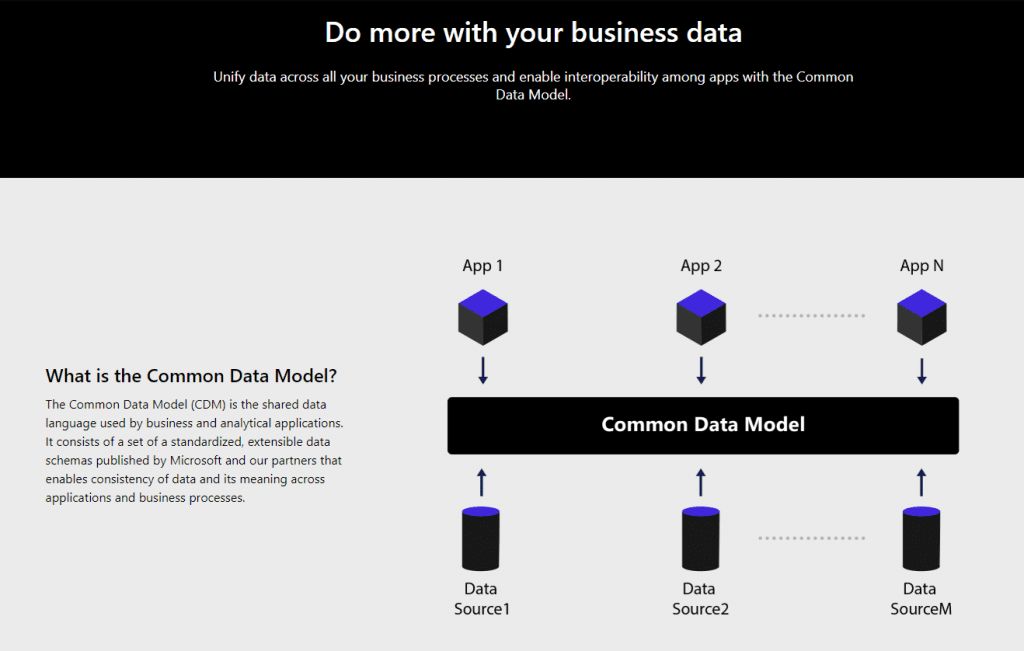
Microsoft’s Power Platform really means there is power in the platform! Dynamics 365 CE is now a subset of the Dynamics Power Platform and Common Data Service.
The Common Data Service (CDS) and the Power Platform provide the ability to expeditiously create entities, fields, or what could even be described as standalone modules. Better yet, there are two ways to provide a user interface to end users. You can also use traditional CE entities such as Accounts, Contacts, and Products that already exist in the Common Data Model.
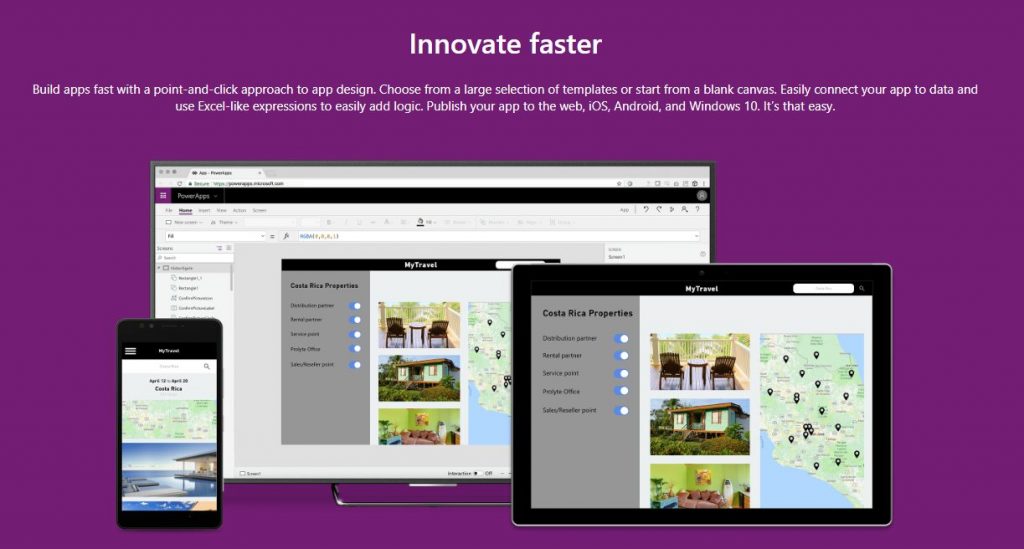
Traditional “CRM” or Model-Driven Apps have standard form and view functionality to capture records, complete simple forms and trigger workflows. Sometimes though, you want to zoom in on one function and get creative with the user experience. Enter Canvas Apps. With Canvas Apps, you have the ability to add controls not available in the traditional model-driven UI such as a Gallery, with pictures or display lists of data from other data sources (like D365 FO!). There is access to device controls on phones and tablets such as camera, audio, etc.
Even with the traditional Model-Driven App, you can sync records with D365 FO using Microsoft’s Data Integration tool in the Power Apps Admin center.
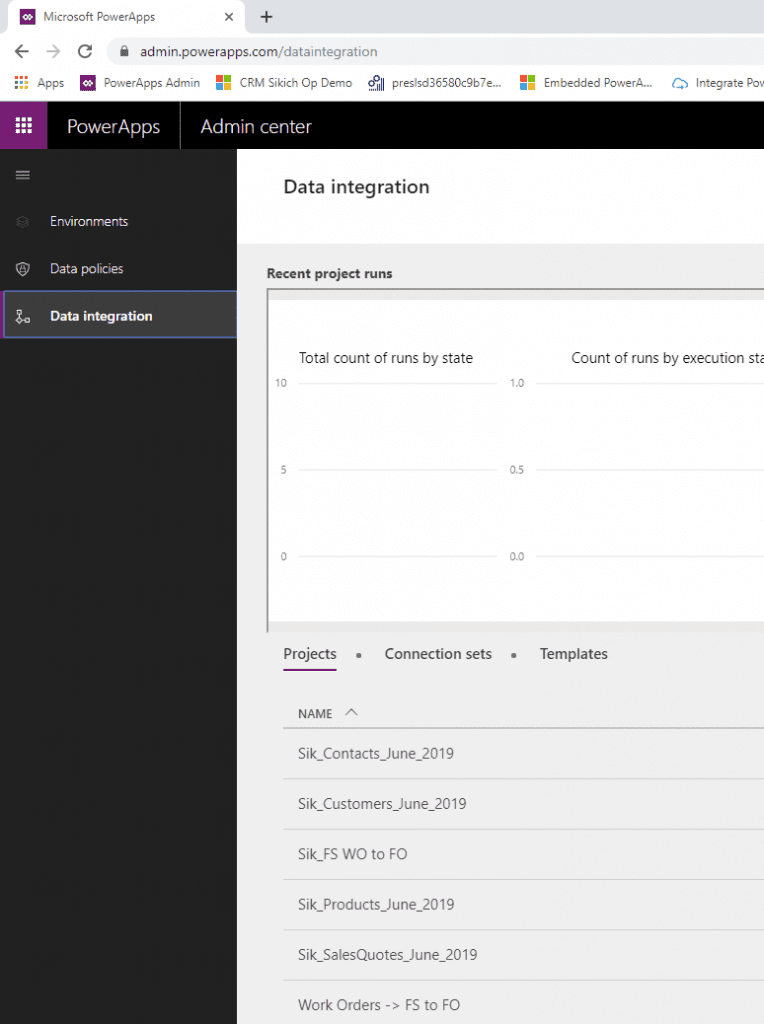
This tool allows you to create a connection set between D365 CE and D365 FO which can then be used to map source and target entities for synchronization. There are provided templates to get you started.
There are additional modules on the Power Platform that can really “round” out D365 FO. Some examples include:
Microsoft Dynamics Marketing
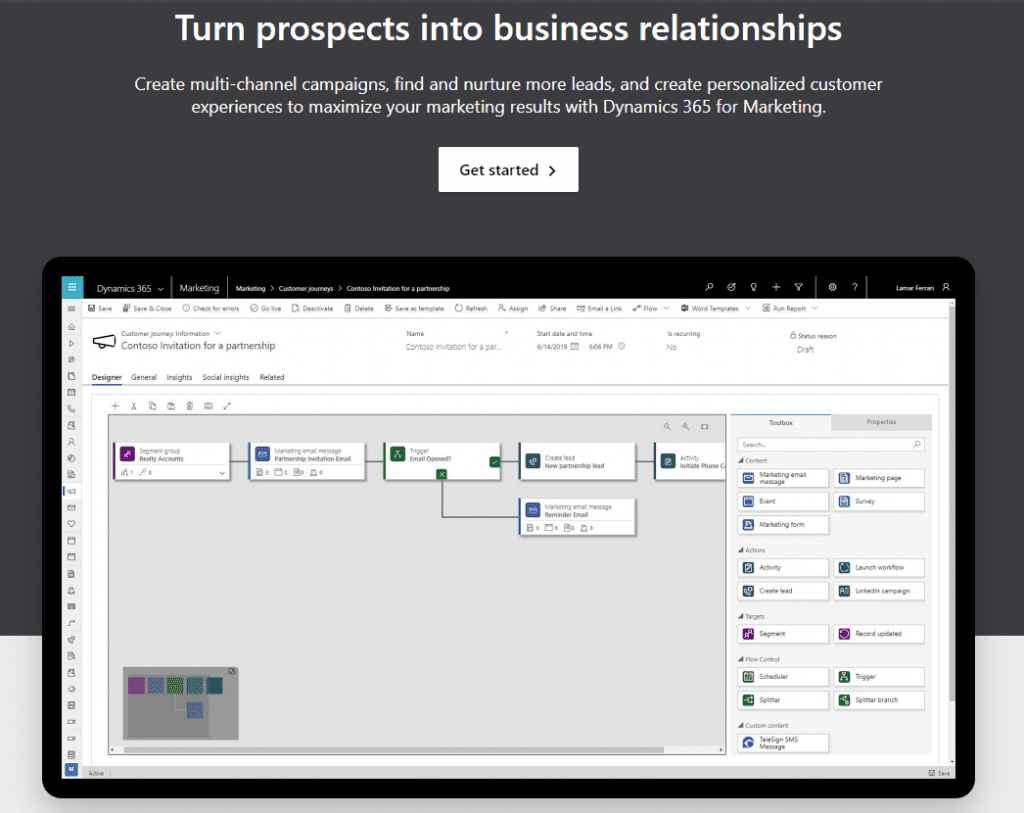
Dynamics 365 Customer insights
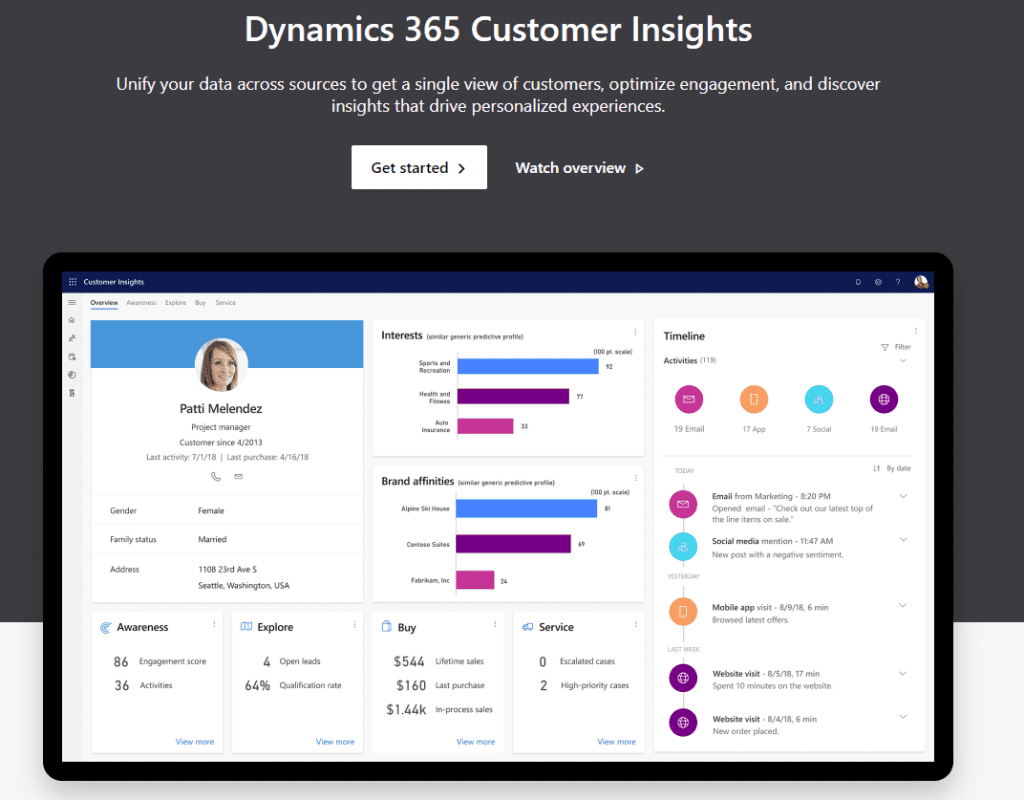
Dynamics 365 AI
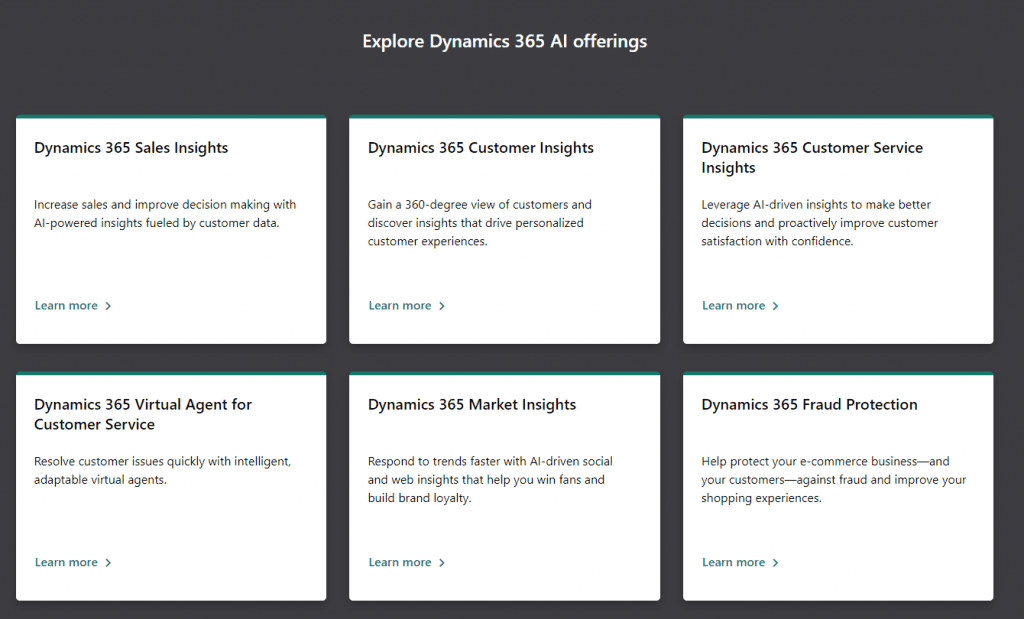
As you can see, no trick here!
The Power Platform can become an extension of you D365 FO ecosystem.
Have any questions about D365CE or D365FO? Please reach out to one of our experts at any time!
This publication contains general information only and Sikich is not, by means of this publication, rendering accounting, business, financial, investment, legal, tax, or any other professional advice or services. This publication is not a substitute for such professional advice or services, nor should you use it as a basis for any decision, action or omission that may affect you or your business. Before making any decision, taking any action or omitting an action that may affect you or your business, you should consult a qualified professional advisor. In addition, this publication may contain certain content generated by an artificial intelligence (AI) language model. You acknowledge that Sikich shall not be responsible for any loss sustained by you or any person who relies on this publication.