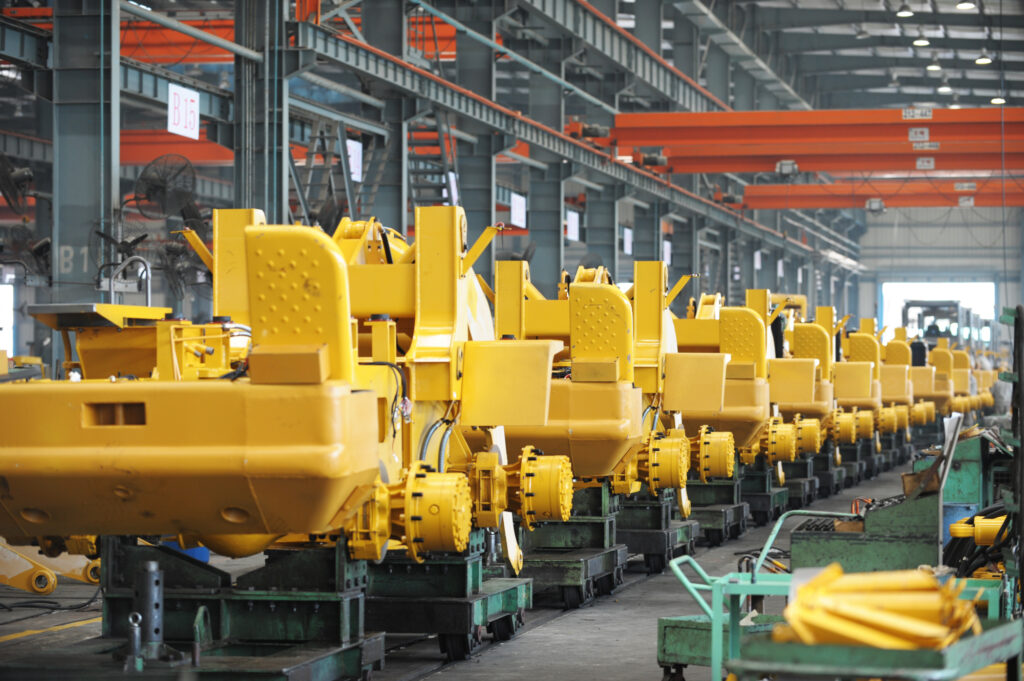







Manufacturers pride themselves on efficiency: optimized workflows, predictable lead times, and streamlined production processes. But when customizations enter the equation, things are more complicated. Customization requests disrupt standardized workflows, increase setup times, and introduce variability, making production planning more challenging.
While ERPs, constraint-based configurators, and CPQ (Configure-Price-Quote) systems help manage complexity, there’s another factor that software alone can’t fully address: the human element. Shop floor workers, managers, and sales teams must work together to balance customization with operational efficiency. The real challenge isn’t just reducing variability; it’s equipping the workforce to adapt while maintaining production.
The Rhythm of Production
On a well-run shop floor, production teams rely on repeatability. Workers become experts in their tasks for greater efficiency and fewer errors. The moment a customer requests a customization—whether it’s a modified part size, a color change, or an added component—everything changes.
Customization disrupts:
- Setup and tooling: Switching fixtures, recalibrating machines, and adjusting for custom materials all add time.
- Labor efficiency: Specialized work often requires training or skilled workers, which can create bottlenecks.
- Scheduling complexity: Standard lead times become harder to maintain as customized orders compete for resources.
Sales teams often push for customization to close deals, while production teams see it as an operational challenge. The result? Friction between departments and inefficiencies that impact the entire business.
How Do We Address the Human Factor in Customization?
Because eliminating customization isn’t realistic, manufacturers must focus on how their teams adapt to it. Here’s where the human element comes into play.
Empowering Operators with Training and Visibility
The more informed the shop floor workforce is about customization demands, the better they can adapt. Instead of treating customized orders as one-off headaches, companies can integrate training programs that teach workers to handle variability efficiently. For example:
- Cross-training employees on multiple production processes can reduce delays.
- Providing real-time order visibility through ERP dashboards ensures operators aren’t caught off guard.
- Standardizing flexible work instructions helps workers execute changes with confidence.
Stronger Collaboration Between Sales and Production
Sales and production teams often operate in silos, but they must align to balance customer demands with operational realities. The best manufacturers integrate production feasibility discussions early in the sales cycle. Some best practices include:
- CPQ tools with built-in production constraints prevent unrealistic promises.
- Sales teams should understand which types of customizations are manageable within standard lead times.
- Frequent check-ins between production and sales prevent last-minute surprises.
Strategic Use of Configurators to Control Variability
A key way to maintain efficiency while offering customization is through constraint-based configurators like those found in Microsoft Dynamics 365 Finance & Supply Chain Management. These systems allow customers to choose from pre-approved modifications rather than open-ended customizations that disrupt production. The benefits include:
- Customization rulesets ensure that sales and operations teams select only the most feasible and supportable product modifications.
- Predefined templates ultimately reduce the number of unique setups required on the shop floor.
- Automated workflows allow approved modifications to flow smoothly through production planning.
Can ERP Tools Eliminate the Complexity of Customization?
ERP solutions and shop floor automation tools help, but they can’t solve the human challenges involved in customization. Even the best system can’t fully remove the impact of variability on production workers, machine operators, or schedulers. What they can do is provide structure to what can be a messy process — helping manufacturers control the level of customization and tracking the impacts of product customization in real-time.
How Do We Adapt?
Your customers will always push the envelope of what’s possible. Ultimately, it’s not just about reducing complexity. It’s about creating a workforce that can better handle customization requests. Technology is only part of the answer. The real key lies in empowering the people behind the production line. Manufacturers can build resilience into their workforce and processes.
The Sikich Approach: Customization Without Sacrificing Efficiency
At Sikich, we understand that while manufacturers want to offer customizations to stay competitive, they also need to maintain efficiency and predictable lead times. That’s why our approach focuses on striking a balance: giving customers flexibility while keeping production streamlined.
One of the ways we help manufacturers reduce the complexity of customization is through CPQ and constraint-based configurators in Dynamics 365 Finance & Supply Chain Management. Instead of allowing open-ended, ad-hoc customizations that can disrupt production planning, we help our customers build structured selection rules into their systems. This approach allows manufacturers to predefine acceptable variations—whether it’s size, material, or additional features—so that production teams can anticipate and accommodate custom orders without unnecessary delays.
Think of it like configuring a vehicle online: customers choose from controlled options, but the choices are designed to fit within manufacturing constraints. The model ensures that customization remains manageable, lead times stay consistent, and production teams don’t have to deal with unpredictable disruptions.
While technology plays a vital role in managing complexity, successful customization management requires a company-wide effort—from sales teams setting the right expectations to shop floor operators equipped with the tools and knowledge to handle variability. Sikich helps manufacturers align people, processes, and technology to make customization work without adding unnecessary risk.
If you need a smarter way to manage production planning, Sikich can help. Contact us for more information.
This publication contains general information only and Sikich is not, by means of this publication, rendering accounting, business, financial, investment, legal, tax, or any other professional advice or services. This publication is not a substitute for such professional advice or services, nor should you use it as a basis for any decision, action or omission that may affect you or your business. Before making any decision, taking any action or omitting an action that may affect you or your business, you should consult a qualified professional advisor. In addition, this publication may contain certain content generated by an artificial intelligence (AI) language model. You acknowledge that Sikich shall not be responsible for any loss sustained by you or any person who relies on this publication.